Homestay Accommodation in Herzegovina
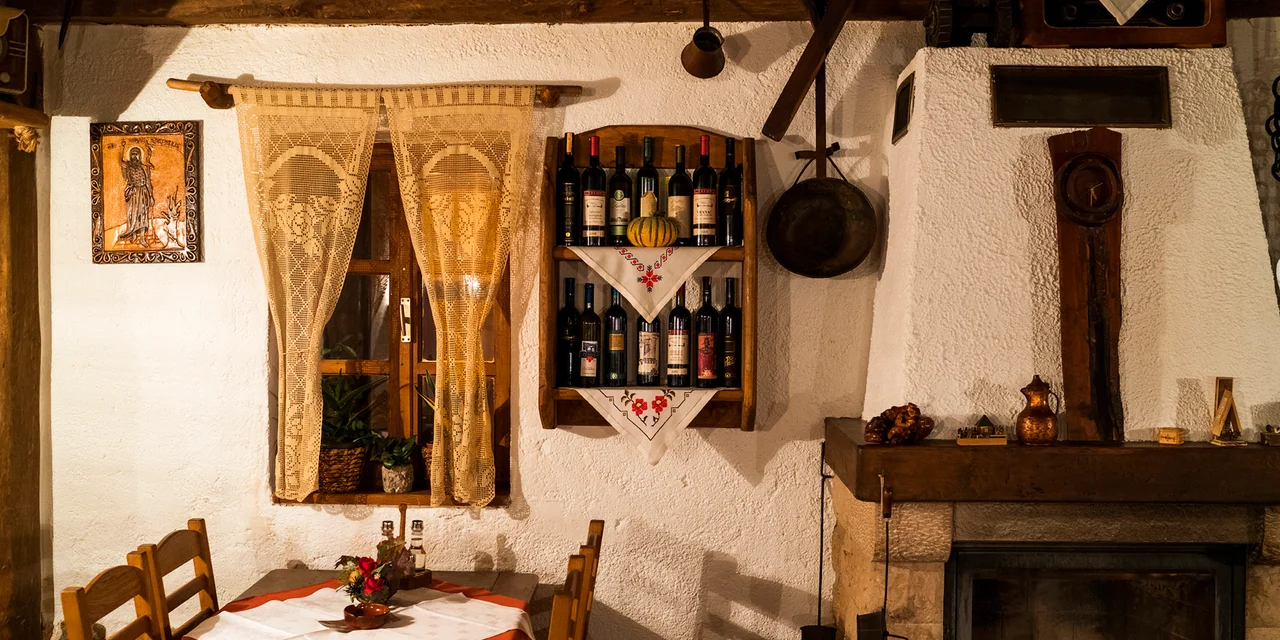
Herzegovina
Homestay Accommodation in Herzegovina
My first choice, whenever possible, is staying with local hosts. In this way, I gain not only comfortable accommodation but also interaction with members of the local community.
When someone welcomes you into their home, this represents the highest level of hospitality in Western culture. Only close friends are invited into one’s private home. In Herzegovina, you will find excellent hosts in family-run restaurants, private accommodation, family guesthouses and hotels. It should be acknowledged that high-quality service is also offered in larger hotels, tourist camps and resorts. Everywhere, hospitality and a willingness to “go the extra mile for the guest” are present, often exceeding standard expectations.
Family-run accommodation, or staying in a private household, is nevertheless something special. In our culture, hospitality has been ingrained since ancient times, when this was the only way people travelled. Guests were welcomed for overnight stays and refreshment—most often distant relatives and friends, but frequently people in need as well. “Good is repaid with good” is an old saying. Hosts lived by this principle, knowing that they themselves might one day be travellers. One could say this was a kind of early predecessor of today’s concepts such as homeexchange.com.
Today, travellers who enjoy staying with local hosts and getting to know people are happy to pay a fair price for the service, knowing that they are supporting the local economy. With this income, households improve their standard of living, which is essential for enabling them to continue living in their home region as part of a cohesive community.
Homestay accommodation in Herzegovina is today very diverse. Every traveller can find the type of accommodation that suits them best: from rooms and apartments to villas with swimming pools and small family-run hotels, even small family tourist resorts.
My own positive experiences are also linked to various types of accommodation. One example is the family-run motel and restaurant “Bosiljna,” which in Austria or Italy would be considered a guesthouse. Excellent food, wonderful hosts, clean and comfortable accommodation, all at affordable prices. Most importantly, however, there is the warmth of the hosts—something you will not experience even in well-established tourist destinations.
I had a similar experience at the family hotel “Hajdučke Vrleti”, run by Marija Vukoja Lastvić. The entire team in the hotel and restaurant functions like a harmonious family. Marija is a true ambassador of Herzegovina’s tourism. Through genuine hospitality, authentic food and an emotional presentation of Blidinje, this region gets under the traveller’s skin and calls them back.
I also experienced very good hospitality, especially in B&B accommodation, in Mostar. This city is home to a unique type of accommodation run by the Franciscans called “Dompes.” It is essentially a student dormitory that provides accommodation for students from across Bosnia and Herzegovina who come from disadvantaged backgrounds. They “pay” for their stay by performing household duties according to a set schedule, such as working at reception, serving breakfast and cleaning rooms for commercial guests who stay in the part of the building intended for tourists. The manager of “Dompes,” Ante Raić, is himself the embodiment of a true host.
Mostar is the tourism centre of Herzegovina and offers the widest range of homestay accommodation. In nearby Međugorje, there is a high concentration of small, family-run hotels, while Trebinje offers a good selection of accommodation ranging from apartments to small hotels. Trebinje is often chosen by tourists as a base from which to take a day trip to Dubrovnik in Croatia, which is only half an hour away. Accommodation and food here are more affordable, and the town itself is very pleasant for both staying and sightseeing.
An excellent small heritage hotel in Ravno is actually a restored Austro-Hungarian narrow-gauge railway station. Stories are still told today about how well connected the small town of Ravno once was, with trains running all the way to Vienna. The guesthouse with apartments in Zavala, near Bosnia and Herzegovina’s most famous cave, Vjetrenica, is also a restored former “Ćiro” railway station. Today, the route of the former narrow-gauge railway has been converted into a well-known cycling trail that connects parts of the former railway line, such as Mostar and Dubrovnik. In Ravno and Zavala, overnight stays and meals in family-run accommodation are worthy of the highest praise.
From Livno, Kupres, Tomislavgrad, Jablanica, Konjic, Stolac, Ravno and Neum, through Čapljina, Čitluk, Mostar, Blagaj, Ljubuški, Široki Brijeg and Posušje, all the way to Grude with its unique agritourism site “Marića Gaj,” staying with local hosts is an indispensable part of experiencing the true beauty of Herzegovina.


