Introduction
INTRO TO HERZEGOVINA
Herzegovina’s wine, landscape, and heritage synergize for travelers
Herzegovina - called Hum in medieval times - is a distinctly different region from its northern neighbor Bosnia. Besides its warm and pleasant Mediterranean climate (as opposed to the cooler continental climate of Bosnia) the people of Herzegovina have a strong and unique identity, which is tied to their geography. And though the language is the same as the one spoken in Bosnia, the traditions and customs shared among Herzegovina’s ethnic groups set them apart.
The demographic structure of Herzegovina slightly differs from that of Bosnia as well. Although some communities, Mostar in particular, always enjoyed a multi-ethnic population, many were homogenous. The west of Herzegovina is predominantly Croatian Catholic. The east has an overwhelming majority of Serbian Orthodox citizens while the central and northern parts of this region are largely Bosniak Muslim. The heritage of all these faiths and cultures are highlighted in the monasteries of Trebinje, the mosques and tekkes of Blagaj and Počitelj, and the pilgrimage site of Međugorje just to name a few. But there is so much more to Herzegovina.
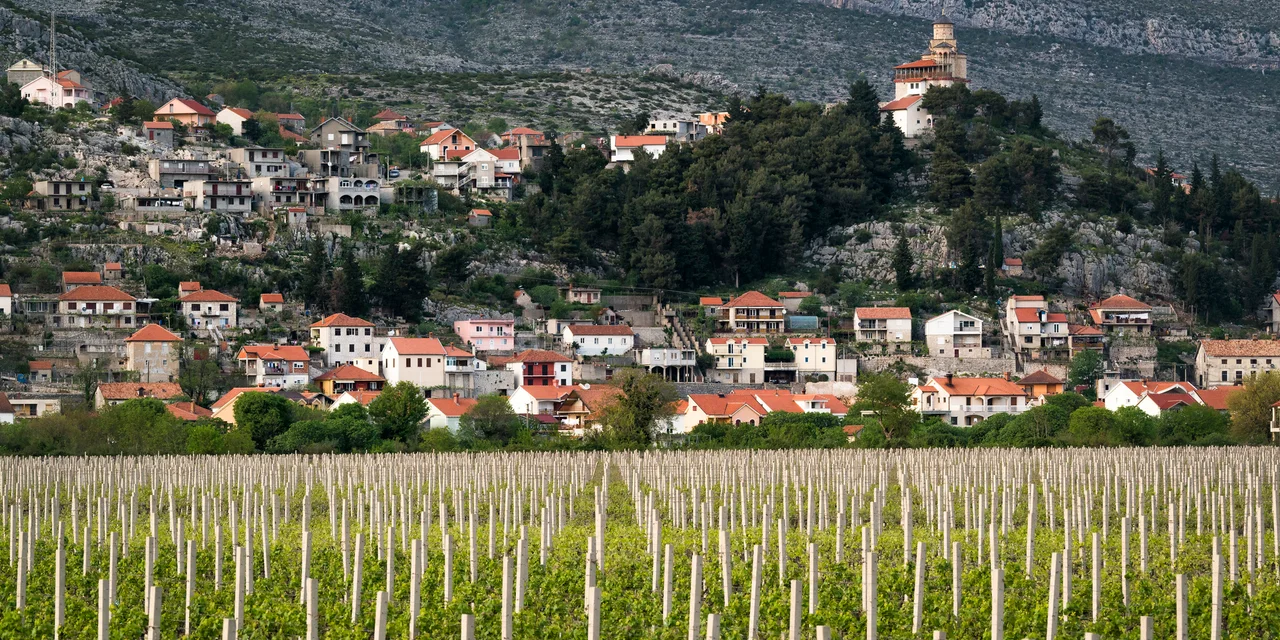
A warm Mediterranean climate dominates most of Herzegovina, creating a very different climatic system from that of Bosnia’s central and northern regions. Southern fruits like figs, pomegranates, grapes, kiwi, and mandarins all grow in this sunny climate. Herzegovina's wines have recently emerged as a serious addition to the global wine list. Many of the finest wines in the western Balkans are produced in small vineyards dotting western and southern Herzegovina, mainly growing the Žilavka and Blatina grapes.
Herzegovina was often viewed as being poorer than other regions, particularly in the rural areas. This misfortune developed a fierce sense of self-reliance. People here are generally regarded as hard workers, both on the land and in their business dealings. They sometimes joke that they are like the land a hard rock. All the same, the people of Herzegovina are a kind and welcoming lot.
Many, including Herzegovinans themselves, characterize this quadrant of the globe as an arid moonscape. Although this holds true of some areas, Herzegovina is also home to some of the greatest freshwater springs in the wider region. Crystal-clear rivers like the Neretva, Trebizat, Krupa, Bregava, Rakitnica, and Trebišnjica host a vast array of endemic flora and fauna found in few places on earth. The karst fields of Bosnia and Herzegovina are the world’s largest. This has created an intricate labyrinth of underground aquifer systems and caves. The northern regions of Herzegovina - around the towns of Konjic, Jablanica and Prozor - are blessed with thick forests and serene mountain lakes.
Herzegovina’s natural and cultural synergy makes this the richest and most attractive tourist region in the country.
It is home to the UNESCO Heritage site Stari Most (old bridge) in Mostar. The world’s second largest Catholic pilgrimage site is in Međugorje. There’s the Provence-like town of Trebinje near Dubrovnik. It's a region teeming with things to do and places to see. Much of the charm of Herzegovina is in its simplicity: its methods of producing exquisite cheeses and meats and growing fruits. The quaint and authentic villages that line the countryside are attractions in themselves.


