The Neretva River
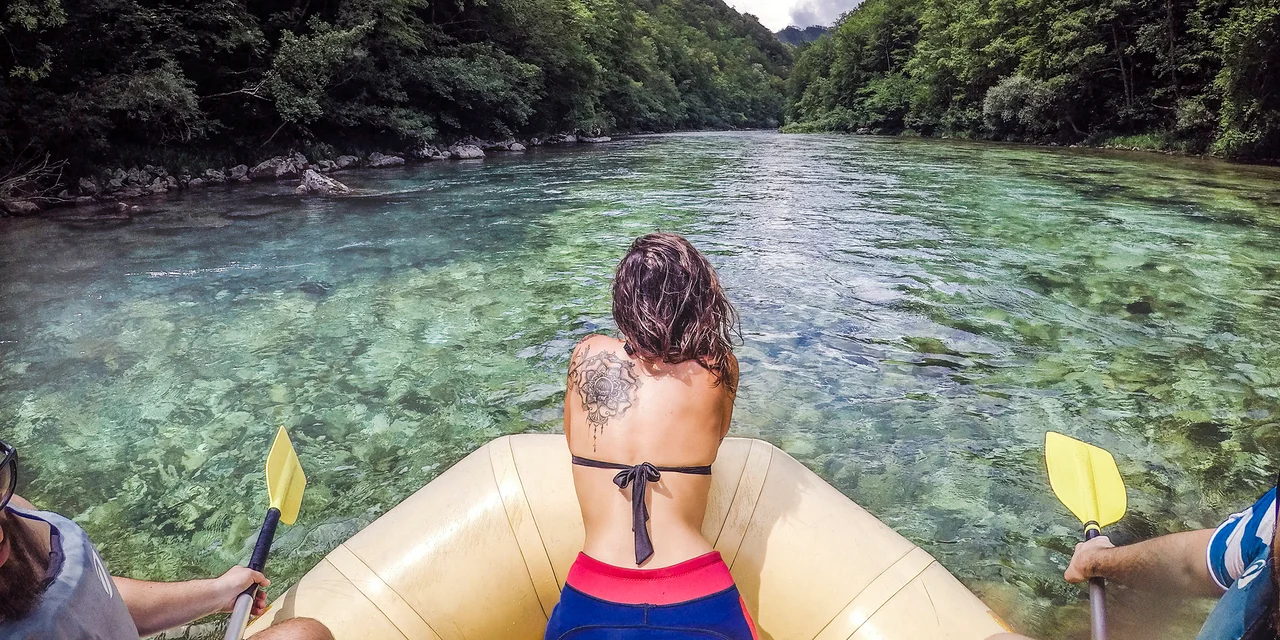
The Neretva River
The backbone of the landscape and the rhythm of life in Herzegovina
When speaking about Herzegovina, it is impossible to overlook the Neretva. Just as Paris cannot be imagined without the Seine, or Rome without the Tiber, Herzegovina cannot be understood without this river. Unlike much of Bosnia and Herzegovina, which belongs to the Black Sea basin, almost all of Herzegovina lies within the Adriatic basin, and the Neretva is its main axis.
The Neretva rises in eastern Bosnia and Herzegovina, beneath the Zelengora mountain massif, in the Gredelj area. On its journey toward the Adriatic Sea, it cuts through dramatic mountain landscapes and canyons between Visočica, Crvanj, Prenj, and Čvrsnica, creating one of the most complex and diverse river systems in the region. In its upper course it is fast, cold, and alpine; further downstream it becomes calmer, wider, and more gentle.
As it approaches Mostar, the river changes character. In Bijelo Polje and through the city itself, the flow slows and the Neretva becomes the focal point of urban and social life. For centuries, towns, bridges, crafts, and trade developed along its banks. Mostar grew into an important transport and cultural center precisely because of the Neretva, with the Old Bridge becoming a symbol of connection between places, people, and time.
South of Mostar, the Neretva continues toward Čapljina and onward to its delta, where it enters Croatia and flows into the Adriatic Sea. The Neretva Delta is one of the most fertile areas along the eastern Adriatic coast, renowned for citrus fruits, vegetables, and a traditional way of life still deeply tied to water and land.
The Neretva is often described as one of the coldest and cleanest rivers in Europe. Its emerald color, clarity, and rich aquatic life make it an exceptionally valuable natural resource. Precisely because of this, it now faces serious conservation challenges. Hydropower projects, river regulation, and climate change continually raise the question of balance between using the river and protecting it.
Beyond its natural value, the Neretva holds a strong emotional and identity-forming role. It is a river of memory, boundaries, and encounters, but also of everyday life, a place for swimming, fishing, rafting, kayaking, and escaping the summer heat. The history of Herzegovina is written along its course: from medieval fortresses and Ottoman bridges to modern towns and villages.
In Herzegovina, the Neretva is not just a river. It is a measure of space, climate, and time - a living line that connects mountains and sea, past and present, nature and people. If you wish to understand Herzegovina, follow the course of the Neretva. It will explain everything.
Mogorjelo
This 3rd century Roman settlement is believed to have been a military camp for Roman incursions inland, protecting the trade routes towards central Bosnia and the Pannonian plains. It is situated in a shady area just outside the city center and next to the restaurant Vila Rustica. The protected cultural heritage site is open for visitors all the time. It does not resemble any of the great Roman ruins found in other parts of the world. Mogorjelo is a relatively small and decently preserved archeological site that’s worth a stopover for a wander, a few photographs, and enjoying a cool drink or lunch at Vila Rustica. Entrance is free to the entire site.
Počitelj
This ancient town, mentioned as early as the late 14th century, was most likely a watchdog settlement for the medieval Bosnian kingdom. It guarded important trade routes from the Neretva Delta to the inland settlements of Blagaj, Stolac, and beyond. When the Ottomans conquered the territories of present-day Herzegovina by 1472, they saw not only the strategic significance of Počitelj but also the inherent beauty of this hilltop fortification above the Neretva River. Over the next century, they embarked on creating a settlement that many would consider to be the most beautiful and unique town in all of Bosnia and Herzegovina.

The eastern hillside of Počitelj is blanketed with stunning Ottoman-era mosques, hamams, a clock tower, mekteb, han, and private homes. The white, natural, lime-painted, Oriental homes – connected by narrow stone pathways – are postcard-worthy. Počitelj is a UNESCO World Heritage Site patron and the Old Town is a protected national monument. It has the oldest art colony in the country. The kula, or tower, that dominates the skyline predates Ottoman arrival in Herzegovina. The entire Old Town is a walk through the regions ancient past.
Počitelj is a wonderful day trip from either the coast or Mostar. Local children will most certainly greet your arrival by trying to sell you fresh cherries, figs, or pomegranates depending on the season. The art colony, occasionally open to visitors, hosts art exhibitions and allows travelers to rent rooms in the colony hostel. The highest climb amongst the labyrinth of stones steps is the kula. Although the kula is in slight disrepair, do climb to the top for the magnificent views of the Neretva Valley to the north and the breathtaking view of the town itself to the south. The mosque is also open for visitors and guests are welcome to take a peek inside. With all the climbing to be done, it’s best to take a rest in the lounge just above the center square. They serve the best Turkish coffee in town. Hutovo Blato
This Ramsar site is the largest of its kind in southeast Europe. A tribute to the exceptional diversity of Herzegovina’s landscapes, this marshland is home to some 240 types of migratory birds.


