The Trebišnjica River
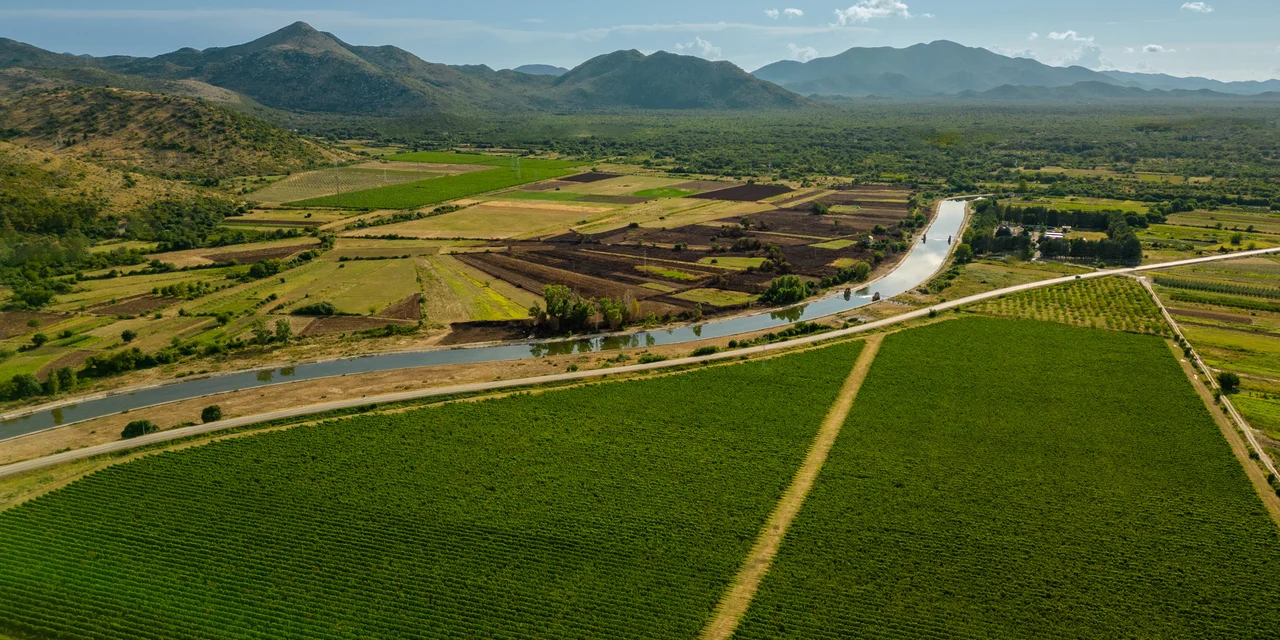
The Trebišnjica River
The hidden power of karst and the quiet axis of eastern Herzegovina
The Trebišnjica River is one of the most unusual and complex rivers in Europe. Located in eastern Herzegovina, it is not merely a surface watercourse but part of a vast karst system that has shaped the landscape, settlements, and ways of life for centuries. Unlike most rivers that flow visibly and continuously, the Trebišnjica disappears, re-emerges, and changes its course, linking mountains, fields, and underground worlds.
The Trebišnjica rises near Bileća, at the confluence of several karst springs, and flows through Trebinje—a city almost organically connected to the river. For centuries, the Trebišnjica has been a source of water, fertility, and life in this part of Herzegovina, but also a challenge, as its seasonal floods once regularly shaped fields and settlements. For this reason, one of the largest hydrotechnical systems in Europe was developed here, aiming to control and harness its power.
What makes the Trebišnjica truly unique is its underground course. It is considered the longest sinking river (ponornica) in Europe. Along its journey, the river vanishes into the karst, only to reappear kilometers away as springs—hydrologically connected to rivers and sources in both Bosnia and Herzegovina and Croatia, including those within the Adriatic basin. This hidden flow makes the Trebišnjica one of the most important hydrological phenomena of the Dinaric Alps.
In Trebinje, the river takes on a calm, almost Mediterranean character. Stone bridges, rows of plane trees, and the old town make the riverbanks a place for meeting, strolling, and everyday life. Here the Trebišnjica appears gentle and serene, yet its history and strength remain constantly present beneath the surface.
The area along the Trebišnjica is rich in cultural and natural heritage. Nearby are numerous monasteries, most notably Tvrdoš, vineyards that benefit from the specific microclimate of river valleys, and traditional villages that still live in rhythm with nature. The river shapes the landscape not abruptly, but patiently—over centuries.
Like many karst water systems, the Trebišnjica today stands at the intersection of preservation and exploitation. Hydropower projects, river regulation, and climate change strongly influence its natural dynamics. Understanding the Trebišnjica therefore means understanding karst—a system in which everything is connected, both what we see and what remains hidden.
In eastern Herzegovina, the Trebišnjica is not a river of spectacle. It is a river of patience, silence, and depth. It does not impose itself through views, but reveals itself to those who pause, observe, and listen. If you wish to understand this part of Herzegovina, follow the course of the Trebišnjica—even when it disappears underground.


