Trebinje
Trebinje
One of the country’s most beautiful cities
Trebinje is the southernmost city in Bosnia and Herzegovina. It has 260 sunny days per year. With its Mediterranean climate, the crystal-clear Trebišnjica River, and unique architecture, it ranks among the most beautiful towns in Herzegovina. Trebinje is located under Leotar Mountain, 28 kilometers from Dubrovnik. Dubrovnik’s influence - its architects were very involved in its construction - is felt and seen in town. Unlike many other Bosnian and Herzegovinian cities, streets in Trebinje are wide and spacious. They are paved with white stone. Even the ancient walls around the Old City are unique. Along the middle section, there is an additional line of stones - or a “rib” - serving as extra protection. Dubrovnik, logically, has similar wall construction.
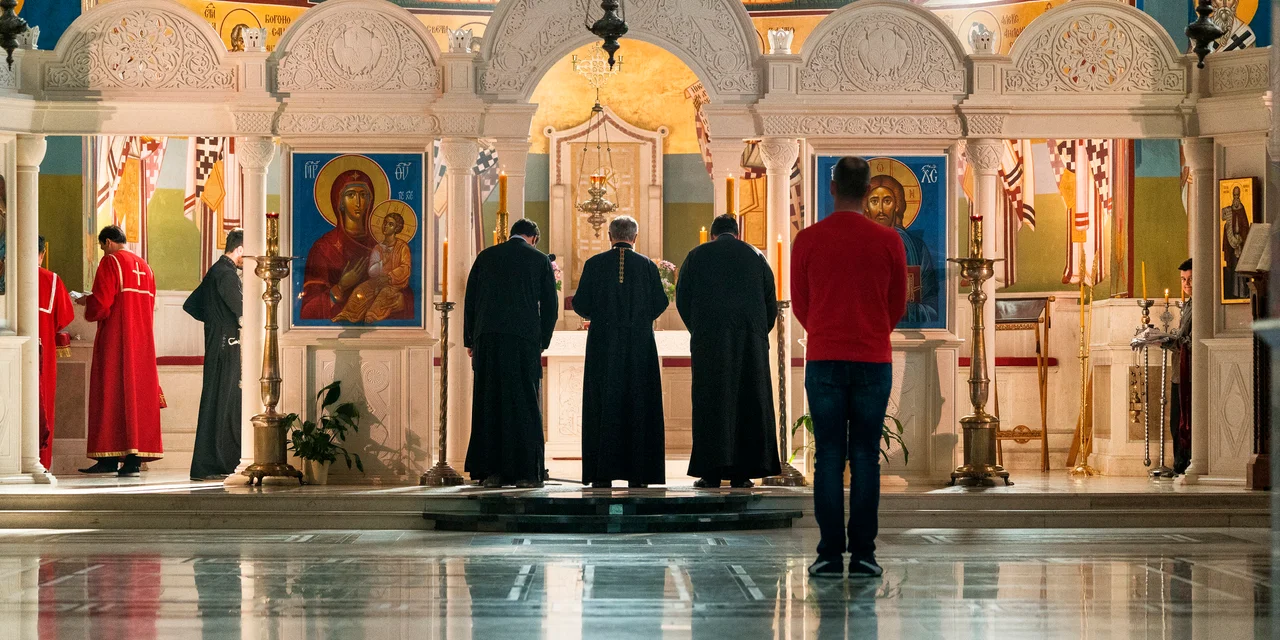
Trebinje’s Old Town is one of the few that escaped damage during the war. The old architecture is still intact. The Osman Pašina Mosque, built in 1726 and destroyed in 1993, was reconstructed in 2005. Around the Old Town, there used to be a six-meter-wide water mote that served as additional protection. Several hanging bridges provided access. After a malaria outbreak in 1930, the canal was filled with gravel and closed. These days, there is an initiative to dig it out again and give the Old City its previous look. Trebinje has a rich history. It was first mentioned in the 10th century under the name of Tribunia. In the middle ages, during the Byzantine era, Trebinje’s development began. Most of the city, though, was constructed during the Ottoman and Austro-Hungarian period. Mehmed Paša Sokolović built the beautiful Arslanagića Bridge in 16th century. Today this bridge is a candidate for UNESCO’s list of protected monuments. With the arrival of the Austro-Hungarians in 1877, many government buildings, hospitals, and schools were built. The old Austrian military barracks in the Old Town serve as the Museum of Herzegovina. Sitting high above the city, Crkvina Hill has a new Orthodox church with some of the best views of Trebinje.
North of Trebinje, towards Ljubinje and Stolac, is the vast and incredibly fertile Popovo Polje. In its northern part, near the town of Ravno, is the Vjetrenica Cave.
The Vjetrenica Cave system has more than 6,300 meters of underground canals and 200 different animal species. The caves were closed when the supporting infrastructure was destroyed during the war. They have recently reopened. Herzegovina, and the Trebinje region especially, were always known for its wines. The winemaking tradition dates back to Roman times. Old Roman wine barrels were recently excavated in the Trebinje region. The Žilavka wine variety - from the nearby Lastva - was served at the Hapsburg court. Today, there are countless cellars in and around Trebinje. Vukoje, Anđelić, Tvrdoš, and Anđušić are some of the best. In the Tvrdoš Monastery (four kilometers from the city) monks have been making fantastic wine for centuries. The monastery - and its wine shop - is open to the public.
When you go
Train/Bus
Trebinje does not have a train or bus station. There used to be a bus station before the war, but it was destroyed. Regular, daily buses from Dubrovnik to Mostar, Stolac, or Sarajevo stop in Trebinje.
Automobile
Trebinje is 28 kilometers from Dubrovnik, and 158 kilometers from Mostar. If you are coming from Sarajevo, there are two options. You can go via Brod na Drini, Tjentište, Gacko, and Bileća, or take the longer, more beautiful route via Konjic, Jablanica, Mostar, Stolac, and Ljubinje.
Tourist Organization Trebinje
Address Preobraženska bb. Phone 059 273 120. Web www.trebinjeturizam.com. Email tourist-trebinje@yahoo.com. Hours 8am-4pm Monday-Friday.
The staff is friendly and doles out brochures by the bushel. They speak handful of languages.
Attractions
Arslanagića Most
Arslanagića Most (Bridge) is a Trebinje calling card. The bridge was built in 1537, by the order of Grand Vizier Mehmed Paša Sokolović, who also built the famous bridge in Višegrad. The bridge was flooded in 1965 when hydroelectric facilities were built on the Trebišnjica River. It was then dissembled, stone by stone, and left on a nearby field where it was abandoned for several years. In 1970, the bridge was moved to a new location, and each stone was numbered and transported. Two years later the bridge was assembled on its present location. There is some controversy regarding the name of the bridge. At its previous location, there was a village called Arslanagići, and for decades, the bridge was taken care of by members of the Arslanagići family. In 1993, during the Bosnian war, the mayor of Trebinje changed the name of the village and the bridge to Perovića Most and village, but the old name remains in use among the locals. Arslanagića Most is a candidate for UNESCO list of protected monuments.
Herzegovina Museum
Address Stari Grad 59. Phone 059 271 060. Web www.muzejhercegovine.org. Email muzejhtr@teol.net. Hours 7am-2pm Monday-Friday; 9am-2pm Saturday-Sunday. Entrance fee 2KM.
The Herzegovina Museum is located in the old Austrian military compound. Later it was a high school. In 1989, it was turned into a museum. It has 1,000 square meters of exhibition space with over 1,000 exhibits. Visitors can see an archeological collection with pre-historic artifacts, an ethnographic collection from 16th century, and numerous paintings and sculptures from the best-known regional artists. Museum guides and curators speak English and will be happy to give you a tour.
Tvrdoš Orthodox Monastery
The 14th century Tvrdoš Orthodox Monastery is located on Tvrdoš Hill, four kilometers from Trebinje. It is built on the foundations of the old medieval church. The monastery was severely damaged in 1694 – in battles between Turks and Venetians – when the entire inventory of the monastery was moved to Savina Monastery in Herceg Novi, where it still remains. Today, Tvrdoš is the Episcopal residency and it is known for the excellent red wine produced by its monks.


