Herzegovina Wine Route
Herzegovina Wine Route
A journey through vineyards, history, and passion etched into a glass of wine
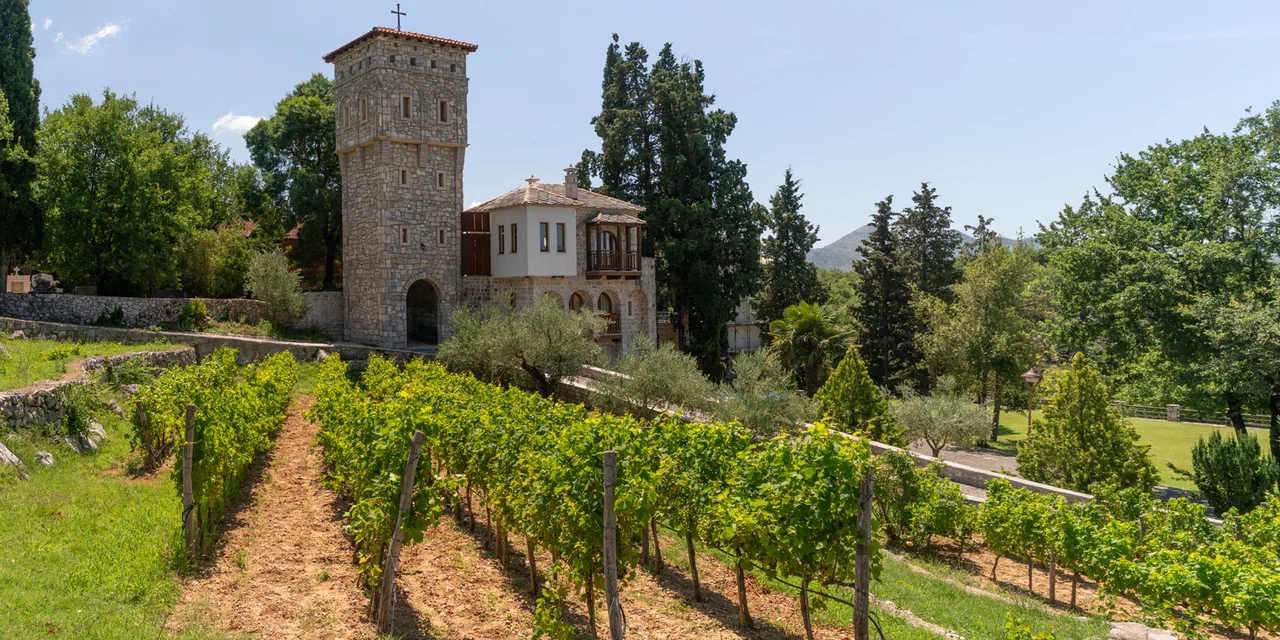
In the heart of sun-drenched Herzegovina, stone and vine intertwine with history and hospitality to create the Herzegovina Wine Route—a unique journey for those who see wine not as a product, but as an expression of place, culture, and way of life. Told through glasses of Žilavka, Blatina, and Trnjak, this wine story leads through vineyards, family-run wineries, and centuries-old traditions carefully preserved and passed down through generations.
The Wine Route does not function as a linear itinerary with a fixed order. It moves at the rhythm of Herzegovina—slowly, openly, and with room for spontaneity. Experiences are not “checked off,” but naturally flow into one another. Some are planned, others happen by chance, yet almost all share the same feeling: presence and genuine welcome.
The route spans the areas of Čitluk, Međugorje, Ljubuški, Čapljina, Stolac, Mostar, and Trebinje. Each stop tells its own story—of families who have cultivated vines for generations, of stone that remembers Illyrians and Romans, of sun that daily gives energy to grapes full of character.
While the western and central parts of the route are defined by karst plateaus and vineyards along the Neretva and Trebižat rivers, Trebinje introduces a different rhythm. Set along the Trebišnjica River, with a pronounced Mediterranean influence and a milder climate, Trebinje marks the eastern end of wine-growing Herzegovina—a place where Herzegovinian wine meets water, the south, and a long viticultural tradition.
Today, the Herzegovina Wine Route is a destination that bridges tradition and the future. It can be experienced through guided tours, pre-arranged winery tastings, or completely spontaneously—according to personal interest and pace.
Experiences on the Herzegovina Wine Route
More than tasting
Wine tasting in a place that matters
One of the most powerful wine experiences on the route takes place in Mostar, beside the Old Bridge. Tastings at The Spirit of Herzegovina unfold in a space where stone, river, and history carry as much weight as the wine in the glass.
Drinking Žilavka or Blatina with a view of the Neretva means drinking wine in context. Flavours are not analysed technically, but connected to place. For many travellers, this is their first encounter with Herzegovinian wines—and often the moment when Herzegovina truly “opens up.”
Guests may book a guided tasting paired with thoughtfully selected food, or simply enjoy a short flight of three wines, accompanied by a brief story about the varieties and a view that explains on its own why this is no ordinary wine scene.
Family wineries and a personal approach
Beyond the cities, the Wine Route leads to family-run wineries where the experience becomes more intimate. Here, the guest is not a number, but a conversation partner.
At wineries such as Marijanović, Škegro, Tolj, Ostojić, or Domano, tastings take place in vineyards, cellars, and tasting rooms that are part of everyday winery life. Conversations revolve around vintages, years, and decisions, but often drift toward family history and life in Herzegovina.
In Trebinje, wineries along the Trebišnjica offer the same sense of immediacy, but within a different landscape. Water, shade, and Mediterranean vegetation create an atmosphere where wine is enjoyed more slowly, often outdoors, with long conversations stretching late into the evening.
Terroir and structured tastings
For those seeking deeper understanding, wineries such as Podrumi Andrija, as well as long-established cellars in the Trebinje region, offer more structured, terroir-focused tastings. Discussions centre on soil, microclimate, grape varieties, and differences that emerge even across short distances within the same region.
Here, the diversity of Herzegovina’s terroir becomes clear—from the dry karst of the west to the river valleys of the east.
Wine as part of the landscape
At wineries such as Nuić, Tolj, Domano, and those around Trebinje, the experience extends beyond the glass. Vineyard views, open space, silence, or the sound of a river are just as important as the wine itself.
In Trebinje especially, wine is often remembered for this sense of balance—between stone and water, south and continent, tradition and a contemporary approach.
Food and wine
Along the Wine Route, wine is rarely enjoyed on its own. Tastings are complemented by local food: cheese, prosciutto, bread baked under the bell (peka), olive oil, garden vegetables, and dishes that subtly change in character from west to east Herzegovina.
Whether in the vineyards of Čitluk or along the Trebišnjica in Trebinje, wine is paired with food and moment. The boundary between tasting and dinner disappears—what remains is the experience.
Žilavka, Blatina, and Trnjak
the Herzegovinian trinity
Herzegovina takes pride in its indigenous grape varieties, perfectly adapted to the region’s harsh yet noble terroir.
Žilavka, fresh, mineral, and crystal-clear, is the queen of vineyards from Čitluk to Trebinje.
Blatina, demanding and powerful, requires knowledge and experience and expresses itself best in the region’s warm valleys.
Trnjak, once overlooked, is now returning as a distinctive red wine with a Herzegovinian signature.
Festival and community
The Herzegovina Wine Route Festival brings together winemakers, chefs, artists, and travellers from across the region, creating a shared space of exchange and community. It is where western, central, and eastern Herzegovina meet in a single glass.
Come and stay
The Herzegovina Wine Route is not a destination you visit once. It is an experience that lingers. Here, wine is far more than a drink—it is a cultural, spiritual, and economic foundation shaped over centuries.
That is why this wine route is remembered not by the number of wines tasted, but by the feeling that you were invited, not merely served.


